
 5th October 2025 (Updated on 23rd April 2026)
The female of the species is more judgmental than the male!
By Carl Scott
When Duchess judges you more than Duke (and why she’s probably right).
You stumble into the kitchen, wrestling with a stubborn treat jar lid, and catch her eye. That’s Duchess. Ears pricked. Head slightly tilted. The sort of look that says, “You absolute amateur.”

Now, it turns out she might not just be being dramatic. According to a study from Kyoto University, female dogs really are sizing us up. Researchers ran a little social experiment involving two humans and a transparent container. One human opened it with ease – the “competent” one – and the other, well… didn’t. The dogs watched the performance, then got to see both humans try again with a new container. Sometimes there was a tasty snack inside (the “Food” version), sometimes there wasn’t (the “Empty” version).
Here’s where it gets fun: when food was on the line, the dogs looked longer at the person who actually managed to open the thing – and the female dogs were more likely to approach that human. When the container was empty, though, they didn’t bother. No food, no judgement. Which, frankly, feels pretty relatable.
The researchers reckon this might come down to differences in social smarts. Other studies have also found that female dogs tend to be a bit more attuned to human cues. In short: your girl dog might be quietly assessing your competence while pretending to just be adorable.
So next time you’re fumbling with a lid or dropping your keys, and your dog gives you that sideways glance, just know – she’s clocked it. She’s not judging your outfit, she’s judging your efficiency.
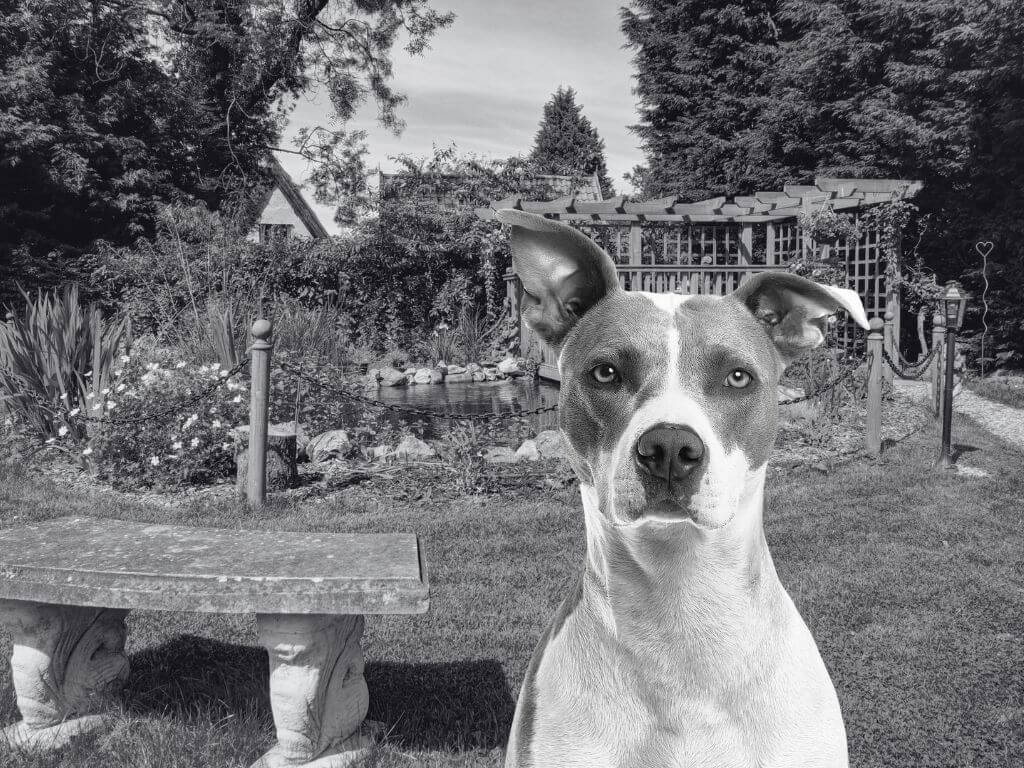
Luckily, if you stay with us at Woodfarm, we don’t judge either. Whether you can open a jar in one twist or you’ve been wrestling it for ten minutes, you’ll still get a warm welcome, a cosy Barn, and a proper treat or two for both female and male dogs. Leave the competence tests to the dogs – we’re just here to make sure you both have a great time.
Source: “Female dogs evaluate levels of competence in humans,” Behavioural Processes (2022), Kyoto University.
Related Posts …
 30th July 2024
“Paws and Relax”: Your ‘ruff guide’ to holidaying in Suffolk with your Dogs!
Discover the best dog-friendly holiday spots in Suffolk with our guide. Plan your perfect getaway at Woodfarm Barns and Cottages today!
 15th July 2024
“How many dogs do you allow in your properties?”
Find out how many dogs are allowed at Woodfarm Barns, ensuring a cosy and pet-friendly stay for you and your furry friends.
 2nd October 2025
10 Cosy Suffolk Walks to Enjoy This Autumn from Woodfarm Barns
Autumn is, without doubt, one of the best times to explore Suffolk on foot. So we’ve rounded up ten of our favourite cosy autumn strolls.
 3rd January 2021
5 of the Best Dog Walks in Suffolk
Browse a selection of the best dog walks available for holidaymakers to take when escaping to Suffolk, England.


 Dogs stay FREE