22nd October 2026 (Updated on 22nd October 2026)
Why Good Dogs Have Bad Days: Trigger Stacking Explained
By Carl Scott
How to help your dog stay calm, relaxed, and happy on holiday.
Have you ever taken your usually well-behaved dog on holiday, only for them to bark at the slightest noise, refuse to settle, or suddenly react to another dog? It can feel frustrating and confusing, especially when you planned the trip specifically to enjoy time together.
When a good dog suddenly has a bad day, the culprit is rarely “bad behaviour.” Instead, it is almost always a phenomenon known to veterinary behaviourists and professional dog trainers as trigger stacking.
Understanding how trigger stacking works is the secret to unlocking stress-free travel for both you and your four-legged companion.
What is Trigger Stacking?
Think of your dog’s tolerance for stress like a bucket. Every small event that causes a surge of adrenaline or cortisol, even minor ones, adds a little bit of water to the bucket.
Event 1: Suitcases coming out of the wardrobe (10% full).
Event 2: Early morning excitement and an altered feeding schedule (25% full).
Event 3: A long car journey with unfamiliar sounds and vibrations (50% full).
Event 4: A busy motorway service station break with loud lorries and barking dogs (85% full).
Individually, your dog can handle any of these stressors without an issue. But when they stack up without time to recover, the bucket overflows. The next tiny event, such as a leaf blowing past, a floorboard creaking in a new cottage, or a passerby, causes an emotional reaction.

The Expert’s Guide to Stress-Free Travel
Certified veterinary behaviourists and professional dog trainers focus heavily on managing environmental variables, maintaining familiar routines, and proactively managing stress hormones (cortisol and adrenaline) when travelling with dogs.
Here are industry-leading strategies to help protect your dog’s stress bucket before, during, and after your journey:
1. Travel Prep & Logistics
Desensitise travel routines in advance: Practise packing bags, loading the car, and taking short trial drives days before leaving. For anxious dogs, the sight of suitcases coming out is often the very first trigger in the stack.
Maintain predictable home routines: Keep feeding, walking, and sleep schedules as identical to your home routine as possible to provide a sense of security amid novel surroundings.
Pack familiar “scent anchors”: Bring unwashed dog beds, blankets, favourite toys, and crate covers. Familiar smells help soothe the nervous system in unfamiliar, scent-heavy locations.
2. Route & In-Transit Management
Map out “decompression stops”: Plan rest breaks in quiet, low-traffic areas (such as quiet parks or green spaces away from busy motorway service stations) so your dog can stretch, sniff, and relieve themselves without high-stress encounters.
Incorporate scent work and licking activities: Pack snuffle mats, frozen stuffed Kongs, or lick mats for the journey and stay. Licking and sniffing lower a dog’s heart rate and promote the release of calming hormones.
Dampen auditory triggers: Use white noise machines, calming music, or keep car windows rolled up to muffle unfamiliar traffic, hotel hallway, or countryside sounds.
3. Destination & Environmental Setup
Establish a dedicated “safe zone” immediately: Set up a designated retreat area (a crate, bed in a quiet corner, or separate room) where the dog is completely undisturbed by family members or holiday guests.
Build in “cortisol vacations” (decompression time): Schedule quiet, low-demand days after high-stress travel days. Avoid back-to-back busy outings; give your dog dedicated time to rest and process new environments.
Learn to catch micro-stress signals early: Watch for subtle stress indicators, such as yawning, lip-licking, head turning, sudden sniffing, or body stiffness, before full-blown reactivity occurs.
Consult your vet about situational aids: For dogs prone to travel or novel environment anxiety, experts recommend discussing situational medications, pheromone sprays (like Adaptil), or calming supplements prior to the trip.

Why Choosing the Right Holiday Haven Matters
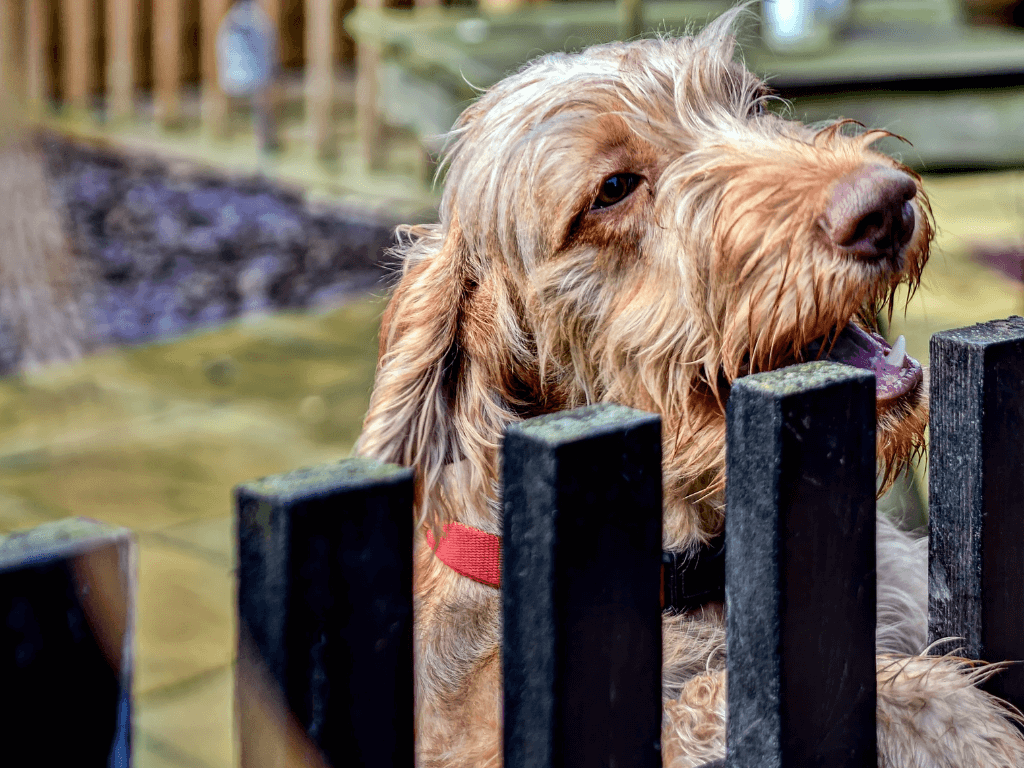
Managing trigger stacking on holiday becomes effortless when your environment works with you, not against you. High-density hotels or holiday parks with thin walls, bustling corridors, and shared green spaces constantly add water to your dog’s stress bucket.
At Woodfarm Barns, we designed our spaces with your dog’s peace of mind as a top priority:
Quiet, Peaceful Surroundings: Tucked away from noisy roads and foot traffic to keep auditory triggers to a minimum.
Private, Fully Enclosed Gardens: Perfect for low-stress sniffing and toilet breaks without surprise encounters.
Cosy Safe Zones: Plenty of quiet nooks for your dog to curl up on their home-scented bed for a deep, restorative “cortisol vacation.”
Authoritative Resources & Further Reading
Want to delve deeper into canine psychology and stress management? Check out these trusted resources that we came across:
- Pet Professional Guild (PPG): Trigger Stacking in Pets Explained
- Dogmestix Behavioural Resources: Understanding Trigger Stacking in Dogs: Managing Overwhelm for a Happier Pet
- ResearchGate (Canine Behaviour Study): Exploring the Impact of Stressors and Resilience in Dogs
- unterHUNDs Research: Trigger Stacking: Model or Myth?


 Dogs stay FREE