 5th November 2026 (Updated on 5th November 2026)
Suffolk’s Ancient Trees (and the Stories They’ve Outlived)
By Carl Scott
Suffolk has trees that were already getting on a bit before my great-grandparents were even a twinkle in anybody’s eye. Some have watched roads change, farms expand, villages grow and generations of people hurry past without giving them a second thought. Which seems rather rude, when you think about it. Ancient trees are living pieces of history, much like (the arguably more) exciting pubs and buildings we often focus on in this blog. Indeed, they’re not just impressive things to stand beside for a photograph. And their stories can tell us an enormous amount about the county we’ve inherited. No time machine required.
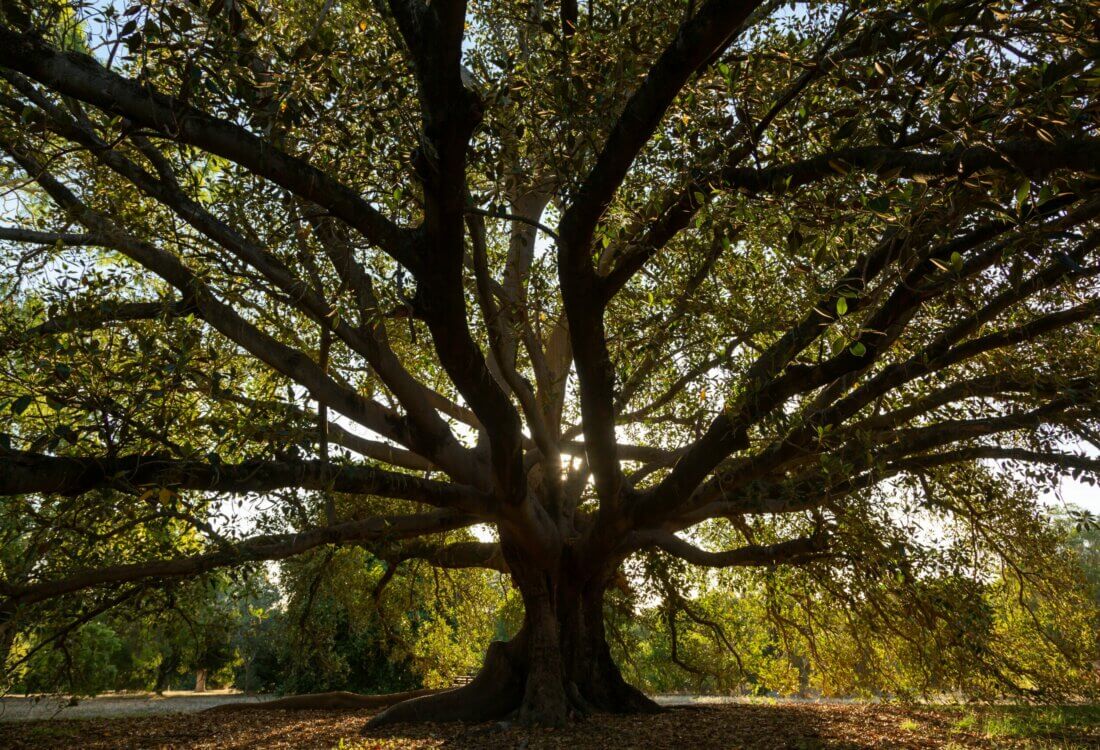
The word ancient does not simply mean enormous. Different species age at different rates, and a relatively modest tree may be exceptionally old for its kind. Suffolk’s parklands, churchyards, commons and old field boundaries provide places to discover these survivors. Oaks are especially evocative, their broad crowns and twisted limbs creating a sense of permanence.
These trees have witnessed immense changes. Imagine an oak already mature when horse drawn carts travelled the nearby lane, for instance, or a churchyard yew standing while generations gathered for weddings and funerals. The precise dates may be uncertain, but the continuity is remarkable.
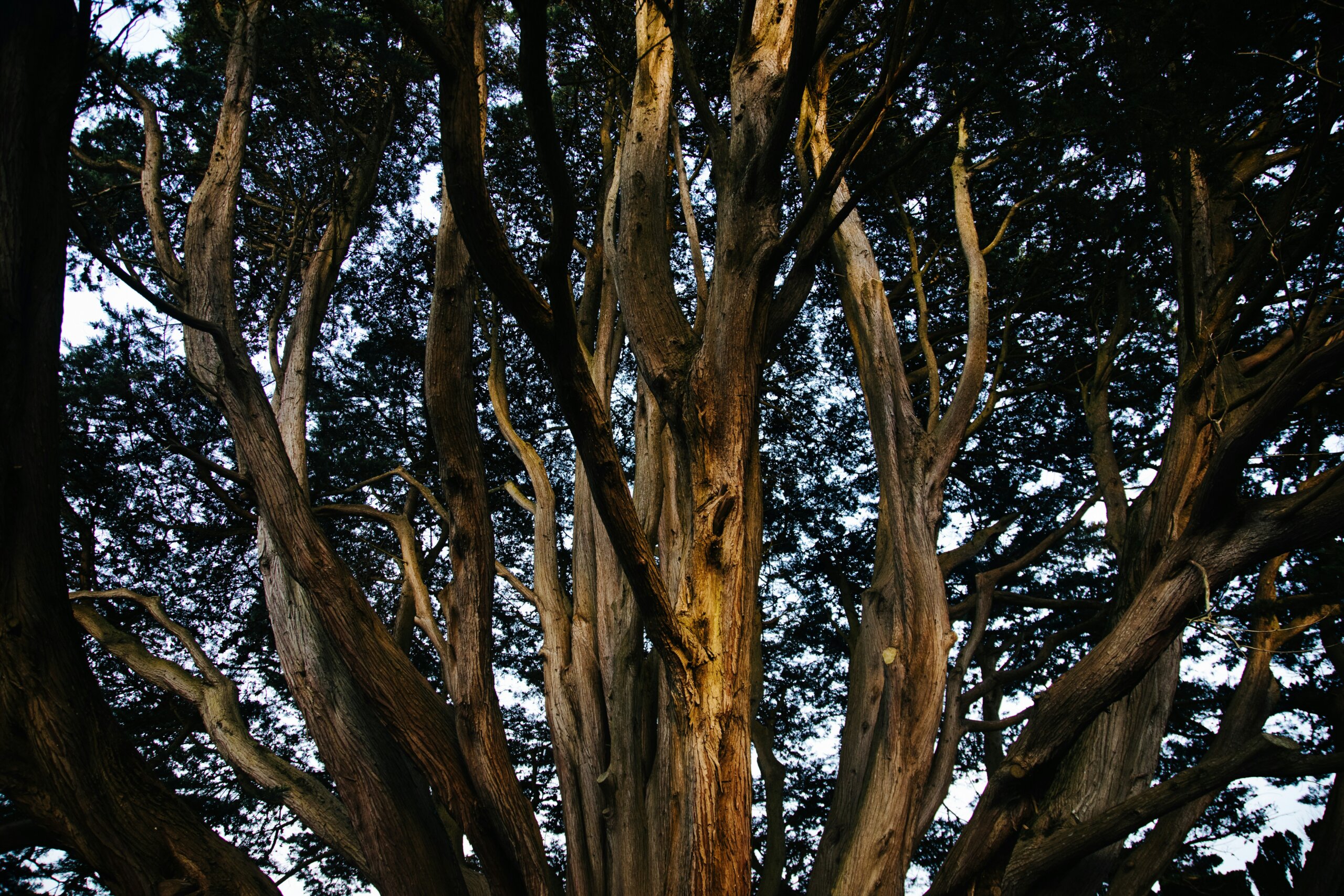
Their value extends far beyond appearance. Rotting wood, cracks and hollows create habitats for beetles, fungi, bats and birds. Features that might look like damage in a younger garden tree can be essential to the ecology of an ancient specimen. A hollow trunk can remain alive and vigorous for many years.
Of course, age doesn’t make a tree indestructible. These remarkable survivors still need protecting from damage and neglect. Traditional management has shaped some trees, too. Pollarding, the repeated cutting of upper branches, produced wood while allowing trees to survive for long periods. Old pollards can develop striking shapes, offering clues to former farming and woodland practices.
Ancient trees also appear in stories and local legends. Communities sometimes associate them with historic figures, unusual events or supposed meetings beneath their branches.
When exploring Suffolk, give these giants the respect they deserve. Avoid climbing fragile branches, damaging bark or compacting soil around exposed roots. Many veteran trees stand on private land, so admire them from public paths unless access is clearly permitted.
The best encounters are often unplanned, too. A vast oak beside a meadow or a weathered tree at the edge of a village green can stop you in your tracks. Look carefully and you may notice holes, fungi, old pruning marks and branches shaped by decades of weather.
So, next time you’re out exploring Suffolk, look up. That enormous old oak or weathered yew may have a longer local history than the building beside it.
To enjoy all of Suffolk’s rural beauty with a cozy base to return to, why not take a look at our range of Barns and Barges now available to rent for your next holiday?


 Dogs stay FREE