 24th August 2026 (Updated on 9th September 2026)
The American came to Suffolk
By Carl Scott
There was an interesting period during the Second World War when wandering into a Suffolk pub and hearing an American accent would have been considerably less unusual than it is today.
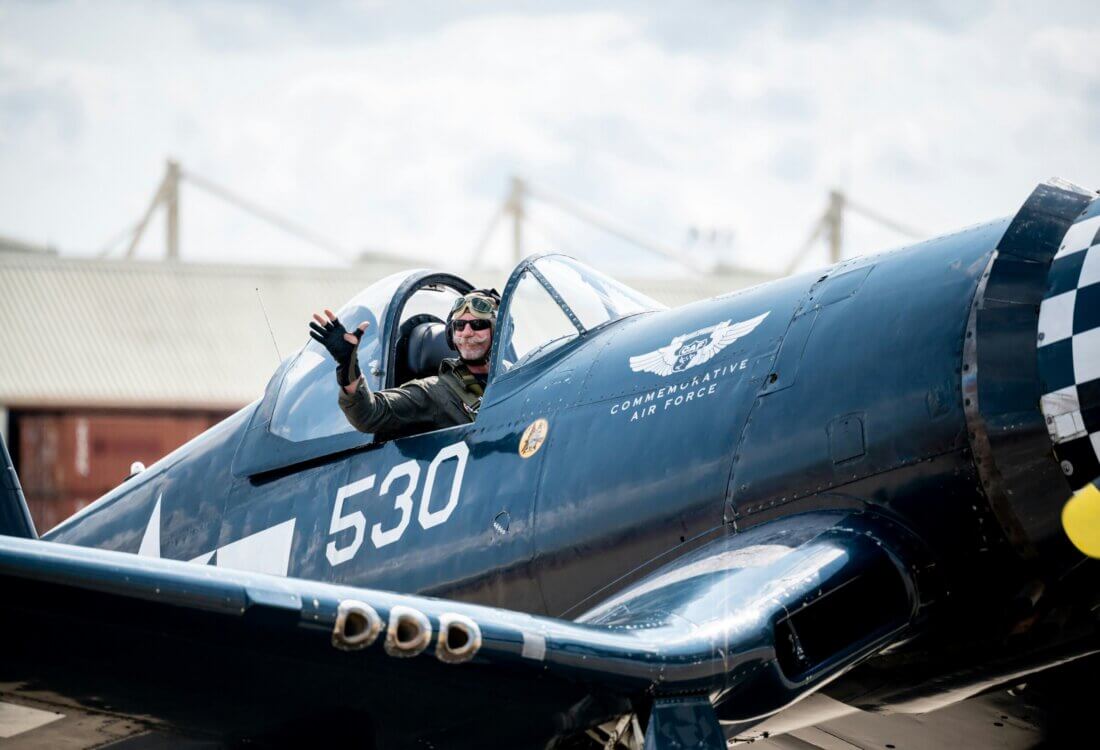
This had to do with the thousands of young Americans who had arrived in East Anglia as the United States Army Air Forces established bases across the region.
Almost overnight, our quaint and quiet countryside became part of one of the largest military operations in history.
The Americans had arrived in Suffolk.
If this seems a curious strategic decision, it’s worth remembering that Geography had a lot to do with it.
Particularly, East Anglia’s position made it ideal for air operations over occupied Europe, while its relatively flat landscape lent itself to constructing airfields.
The result was an extraordinary transformation.
Fields became runways. New roads and buildings appeared. Aircraft filled Suffolk’s skies and villages that had previously been relatively isolated suddenly found themselves sharing their corner of England with young servicemen from places such as Texas, New York, California and Ohio.
Airfields were established at places including Rougham, Lavenham, Debach, Leiston and elsewhere across the county.
Today you can drive through the Suffolk countryside without realising quite how militarised this landscape once was.
It’s interesting, too, to consider how The social impact must have been really quite extraordinary.
Just think about it: many of the American servicemen were young men who had never previously left the United States. Now they found themselves in rural England, surrounded by medieval churches, tiny lanes, warm beer and British wartime rationing.
Suffolk residents, meanwhile, suddenly encountered thousands of Americans with unfamiliar accents, uniforms, slang and habits.
There were dances and friendships. Relationships developed and marriages followed.
American servicemen spent money in local shops and drank in local pubs. Children collected chewing gum and other treats from GIs.
It wasn’t always harmonious, of course, but the cultural exchange permanently connected Suffolk communities with places thousands of miles away.
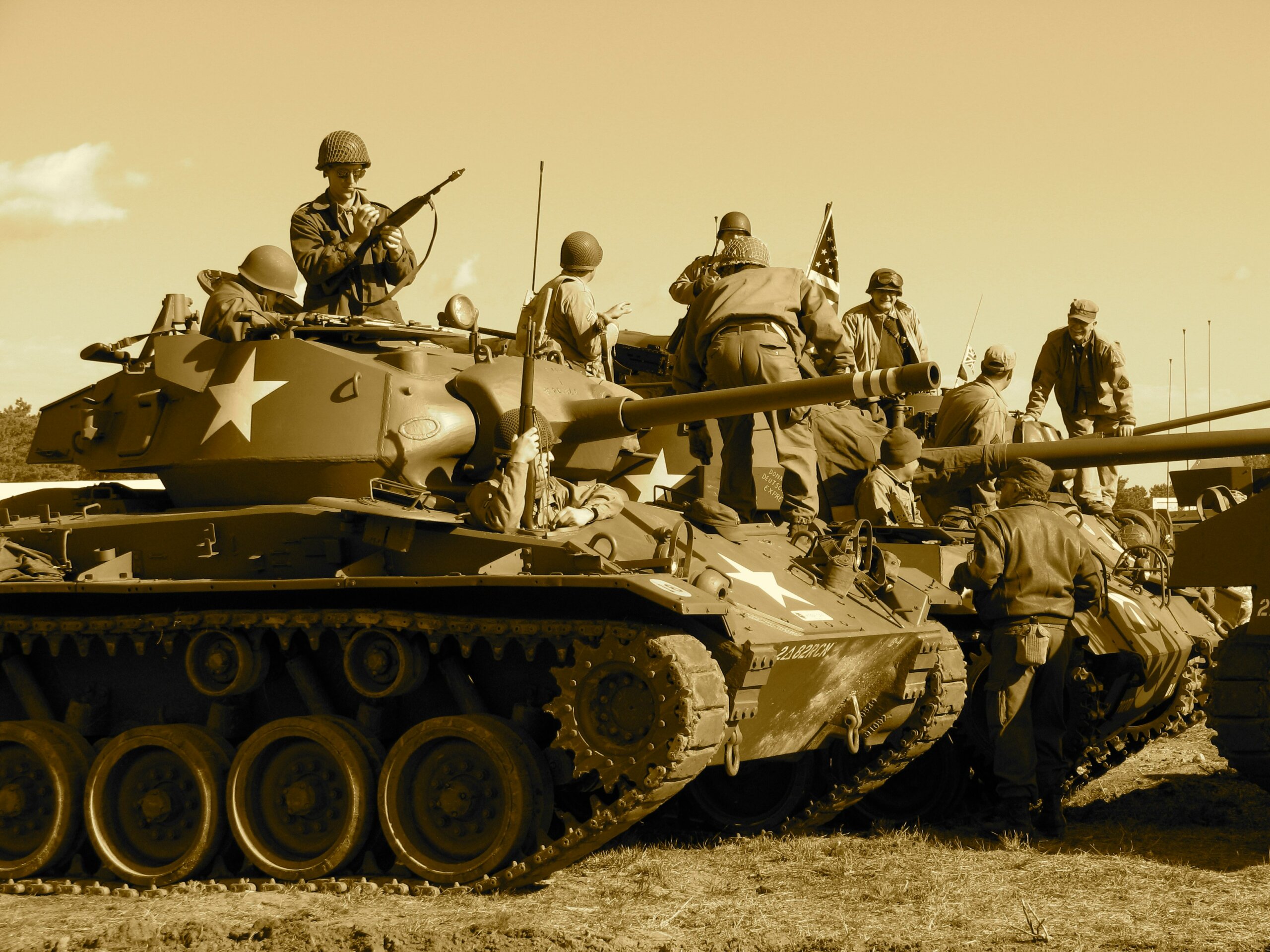
Behind the dances, pubs and Hollywood image of American airmen was an incredibly dangerous job.
More specifically, bombing missions over occupied Europe came with the constant threat of enemy fighters, anti-aircraft fire, mechanical failure and terrible weather.
Aircraft that departed Suffolk in the morning did not always return.
For communities surrounding the airfields, the war wasn’t something happening somewhere else. They could hear it.
Imagine standing outside a quiet Suffolk cottage as dozens of heavy bombers climbed overhead, knowing some of the men aboard had been drinking in your local days earlier.
That gives the peaceful fields around many former airfields a rather different atmosphere.
More than eighty years later, evidence of this enormous American presence can still be found.
Old control towers, sections of runway, memorials and museums survive around East Anglia. In some places you need to know what you’re looking for; in others, the history is impossible to miss.
It’s one of the fascinating things about exploring Suffolk.
The landscape can look timeless, but scratch the surface and almost every field, village and lane seems to have another story.
Visitors naturally associate Suffolk with Constable, medieval wool towns and the Anglo-Saxons.
But its wartime history is every bit as compelling.
Take a drive around the county looking for old airfields and memorials and you’ll start seeing familiar countryside differently.
Those peaceful fields haven’t always been peaceful, after all.
To begin tracing this and many other fascinating periods of history in Suffolk as part of your next holiday, be sure to take a look at the current availability of our Barns and Barges for rent.


 Dogs stay FREE