28th March 2023 (Updated on 9th October 2026)
Quirky Dog-Friendly Places to Stay: What to Look For & Unique Ideas
By Carl Scott
If I had a penny for every time I heard “Where’s the best quirky accommodation for dog lovers in Suffolk?”, I imagine I’d be well off enough to purchase a large villa in the Caribbean and give up this blog writing lark for good. No, seriously. To answer the question once and for all, I’ve put some thoughts down for youi if you’re looking for the most quirky accommodation for dog lovers looking for unusual places to stay.
When planning a short break with a dog, standard hotel rooms and generic holiday lets do not always cut it. More travellers are seeking out quirky places to stay that offer character, charm, and a distinct change of scene, all while welcoming four-legged companions.
Whether you are looking for a converted timber barn, a thatched historic cottage, a shepherd hut, a treehouse, or a rustic log cabin, booking an unusual property adds a memorable twist to your holiday. However, choosing a unique property when travelling with a pet requires a little extra thought.

What Counts as Quirky Accommodation?
Quirky accommodation generally refers to properties that step away from standard, uniform builds in favour of distinct architecture, historic character, or unconventional settings. Popular options for dog owners include:
- Converted Barns and Outbuildings: High vaulted ceilings, exposed oak beams, and historic brickwork paired with modern comforts.
- Thatched Cottages: Traditional countryside homes offering historic period features, inglenook fireplaces, and low timber doorways.
- Shepherd Huts and Glamping Pods: Compact, off-the-beaten-track boltholes designed for rustic, minimalist living surrounded by nature.
- Treehouses and Elevated Cabins: Secluded woodland stays offering unique views and elevated living space.

What to Check Before Booking Quirky Places with a Dog
Properties with unique architectural features can sometimes present unexpected practical challenges for pets. Before booking an unusual holiday stay, check these essential factors to ensure a safe and stress-free trip.
1. Stairs and Accessibility
Older cottages and quirky split-level conversions often feature steep, narrow, or winding staircases. If you have an elderly dog, a large breed, or a dog with mobility issues, verify whether there is ground-floor living space or if the layout requires frequent stair climbing.
2. Flooring and Muddy Paws
Historic properties often come with original flagstones, brick pamments, or solid timber floors. These look fantastic and are easy to wipe down after a muddy countryside walk, but smooth stone can be slippery for older dogs. Check if the property allows dogs on ground floors and whether you need to bring extra rugs or dog towels.
3. Open Fires and Historic Thatch
An inglenook fireplace or wood-burning stove is a highlight of a winter stay in a traditional cottage. Ensure the property provides a fireguard to keep curious noses at a safe distance from open flames and hot hearths.
4. Room Sizes and Layout
Compact spaces such as small cabins or rustic huts can feel tight if you travel with a large breed, a bulky dog bed, or multiple pets. Look for floor plan details or room descriptions to ensure there is enough floor space for your dog to rest comfortably.
5. Secure Outside Space
The most critical feature for any dog owner is a safe place for morning and late-night potty trips. Always confirm if the property includes a private, fully enclosed garden or patio area rather than an open shared courtyard.
A Quirky Suffolk Option: Woodfarm Barns
If you are exploring quirky accommodation for dog lovers in East Anglia, Woodfarm Barns provides a practical example of combining historic character with genuine dog-friendly facilities.
Situated in rural Suffolk, the site offers a selection of individual historic conversions and traditional timber-framed properties:
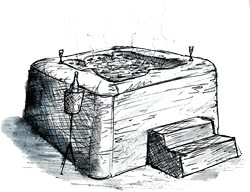
- Woodfarm House & Meadow View Cottage: Two thatched 15th-century country cottages featuring original oak beams, traditional inglenook fireplaces, a private enclosed gardens, and each with their own private hot tub.
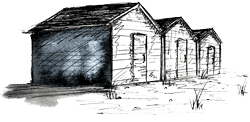
- Luxury Barn Conversions: A collection of six individual timber barns, each combining traditional rustic charm with private enclosed gardens and private hot tubs in most. Only the Granary Barn doesn’t currently have a hot tub.
- Two-Acre Pooch Paddock: A dedicated, fully fenced two-acre meadow on site, giving dogs a secure, enclosed space to run off-lead and socialise safely.
All properties welcome dogs as genuine guests without extra pet charges, offering a practical blend of historic character and pet safety.

5 Frequently Asked Questions About Quirky Dog-Friendly Breaks
- What makes accommodation “quirky” rather than standard?
Quirky accommodation features unique architecture, historic character, or non-traditional layouts, such as converted barns, thatched cottages, or shepherd huts, rather than standard modern builds or uniform hotel rooms. - Do quirky properties charge extra fees for dogs?
Fee policies vary by owner and platform. While many holiday lets charge an additional per-dog nightly fee or cleaning deposit, some dedicated places, such as Woodfarm Barns, include dogs free of charge. - How do I know if an enclosed garden is truly secure for my dog?
Look for clear confirmation in the property description regarding fence heights, solid boundaries, and gated access. If you have a small escape artist or an agile jumper, contact the property directly to ask about boundary specifics before booking. - Are historic cottages suitable for reactive or nervous dogs?
Properties set in quiet rural locations with private enclosed gardens are often ideal for nervous dogs, as they avoid the noise and busy corridors of hotels. Checking that the property has a private entrance and individual garden space ensures maximum peace and quiet. - What essentials should I pack for a stay in an unusual property?
Along with food and leads, bring your dog’s familiar bed and blankets to help them settle into new surroundings. It is also wise to pack non-slip mats for smooth wooden or stone floors, fireguards if open hearths are present, and plenty of dog towels for cleaning paws after rural walks.

 Dogs stay FREE