 24th August 2026 (Updated on 24th August 2026)
A Brief History of the Suffolk Pub
By Carl Scott
There are few sights more reassuring than a Suffolk village pub appearing at the end of a long country walk. To this blog writer, at least.
One with an old wooden sign is particularly encouraging, a slightly wonky ceiling and a fire going making for the complete package.
The Suffolk pub is such a familiar part of the landscape that it’s easy to forget just how much history sits behind it.
For centuries, pubs and inns weren’t simply places to have a drink. They were meeting places, dining rooms, unofficial offices, sources of news, accommodation and somewhere to put both yourself and your horse for the night.
Basically, the village internet, but with loads of ale.
Beer and Suffolk go back centuries, actually.
In Southwold, for example, brewing is documented on the site associated with today’s Adnams as far back as 1345, when an “ale wife” named Johanna de Corby and 17 others found themselves in trouble for serving illegal measures.
We’re not sure whether medieval Suffolk had the equivalent of a furious TripAdvisor review, but presumably the authorities were sufficient to keep on top of things.
Beer was an everyday part of life, and brewing often took place on a much smaller domestic scale than the industry we know today.
Over time, dedicated alehouses, taverns and inns became fixtures of towns and villages.
Imagine travelling through Suffolk 300 years ago.
There were no cars, obviously. No Premier Inn. No Google Maps telling you you’ve missed the turning near Stowmarket.
An inn could provide food, drink, warmth, information and somewhere to sleep.
Coaching inns became particularly important as stagecoach routes connected towns. Horses needed changing and travellers needed feeding, creating busy hubs along important roads.
Elsewhere, the village pub became the social centre of rural communities.
Deals were struck there. News travelled there. Clubs and societies met there. Celebrations and arguments happened there. Mercifully, influencers didn’t exist, so they weren’t cluttering up the place.
We suspect not everything discussed beside the fire was entirely accurate, meaning some traditions have survived remarkably well.
As brewing became increasingly commercial, Suffolk developed names that remain closely associated with the county.
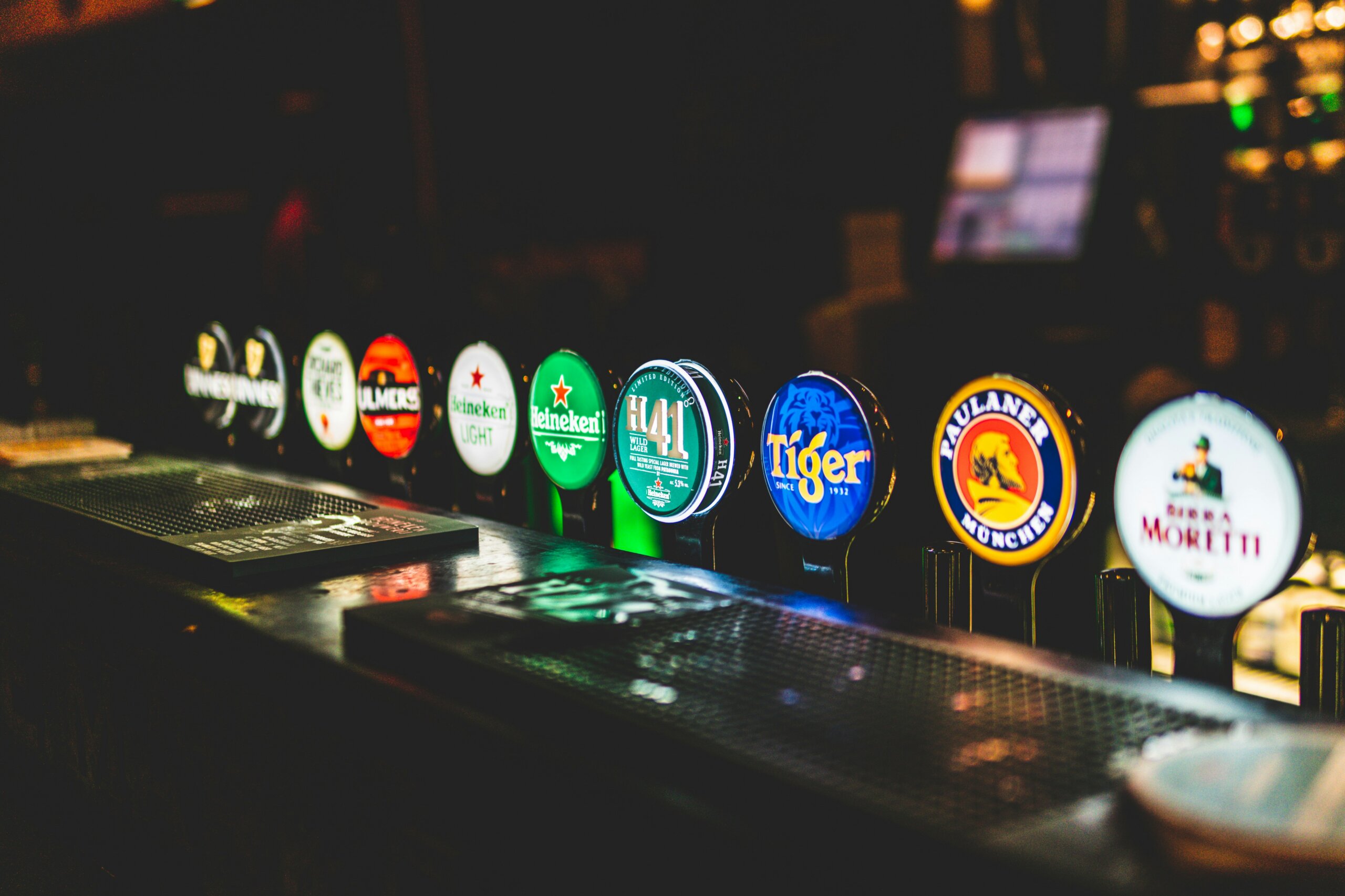
Adnams formally dates from the 19th century, although brewing on its Southwold site stretches back hundreds of years. Its position in the town has made brewing part of Southwold’s identity rather than simply another local industry.
Head west and Bury St Edmunds has its own deep brewing heritage too.
That relationship between beer and place remains one of the many pleasures of visiting Suffolk pubs today.
A pint brewed only a relatively short distance away simply feels right.
Some Suffolk pubs have been serving travellers for centuries.
Old inns are packed with tales of smugglers, sailors, merchants and assorted ghosts. Bury St Edmunds even has The Nutshell, famous for its claim to be Britain’s smallest pub.
Head towards the coast and pubs take on another character entirely.
These were places connected with fishing communities, sailors and maritime trade. Elsewhere you’ll find former coaching inns and rural pubs that have served farming communities for generations.
We’re not suggesting every Suffolk walk should end at a pub.
That would be irresponsible.
Sometimes the pub should be halfway round.
But joking aside, visiting a good local is genuinely one of the nicest ways to experience the county.
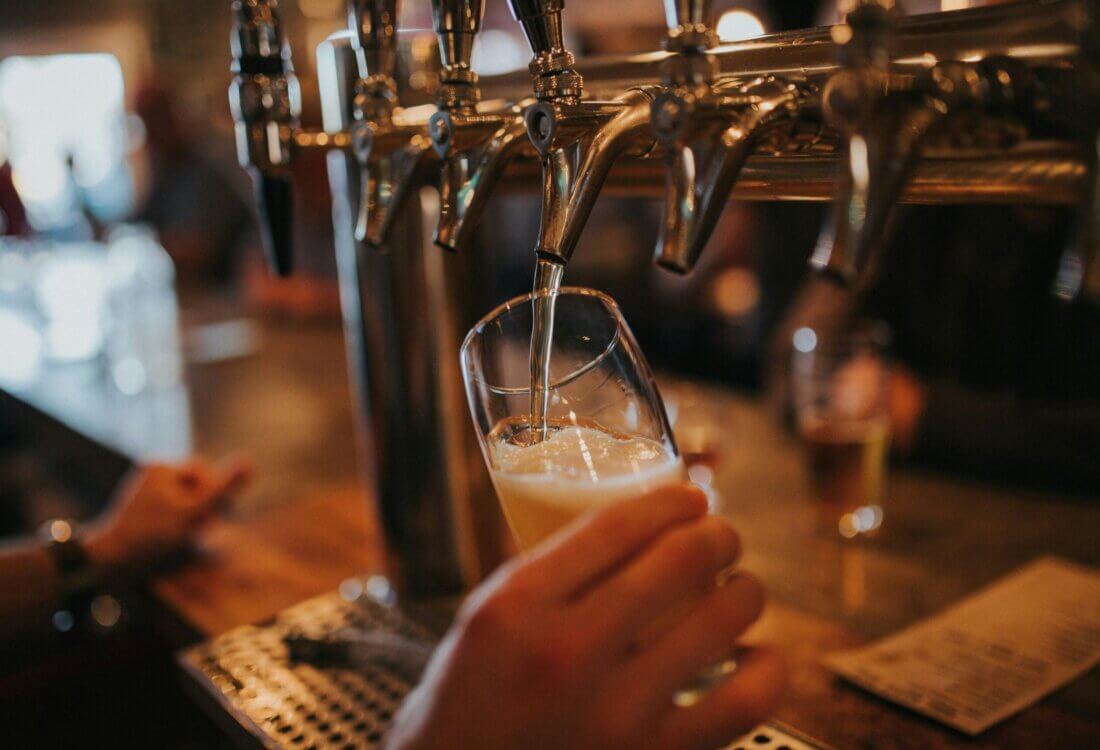
Order something local, find a table beside the fire and look around.
There’s a decent chance people have been doing exactly the same thing in roughly the same spot for hundreds of years.
Admittedly, they probably didn’t have Wi-Fi.
But they did have beer.
To enjoy a selection of local ales and some of the most historic surroundings as part of your next holiday, be sure to take a look at the current availability of our Barns and Barges for rent in Suffolk.

 Dogs stay FREE