
 6th November 2025
Micro-breaks can still boost your wellbeing
By Carl Scott
We often think of taking a break as a luxury; something to fit in when the list of jobs allows. But the truth is that taking time out, whether it’s a few minutes or a few days, is vital for both wellbeing and performance. The evidence is clear: stepping away from what you’re doing, even briefly, helps you return with more focus, energy, and clarity.

Studies into what are known as “micro-breaks” have found that short pauses of under ten minutes can reduce fatigue and boost energy levels. They might not give you time to nip to the shops or go for a jog, but they can still help you recharge. These breaks can be as simple as stretching, watching a short clip, or looking out of the window. The key is allowing your brain and body to reset.
Researchers (from the West University of Timişoara in Romania) analysed data from 22 studies involving more than 2,300 people. Some were employees, others students, all asked to carry out tasks such as typing or memory tests. Between tasks, participants took breaks ranging from just 8 seconds to 10 minutes. Across the studies, those who paused reported feeling less tired and more enthusiastic afterwards. Around 64% of people who took short breaks scored higher for vigour and lower for fatigue than those who didn’t.
The benefits were most noticeable in creative and clerical work, where breaks led to better performance. For more mentally demanding tasks, the improvements were smaller, though longer breaks tended to bring bigger boosts overall. What’s perhaps most telling is that people who ignored their need for rest often made more mistakes and found it harder to maintain attention.
The research also pointed to a wider issue: modern work culture often discourages rest. As Patricia Albulescu, who led the analysis, explained, the “always on” mindset makes people feel pressured to keep going, even when a short pause would help. Her advice was simple: workplaces should value quality over constant busyness and create an environment where a few moments of looking out the window aren’t mistaken for laziness.
Of course, not every type of break works the same way. Experts such as Dr Ben Waber of MIT have noted that timing matters. If you interrupt deep, focused work, it can take 15 minutes or more to regain full concentration, so longer, planned breaks might be better for complex tasks. Still, the message is the same: rest, used wisely, improves both wellbeing and productivity.

At Woodfarm, we see this principle play out every day. The guests who come to stay in our Barns, Cottages, and Barges aren’t just taking holidays; they’re pressing pause. Whether they’re escaping for a long weekend, a midweek recharge, or a full week in the Suffolk countryside, they’re giving themselves something that can’t be squeezed into a coffee break: genuine rest. We have written a whole series of articles around this, some of which are linked to this one, so do take a look.
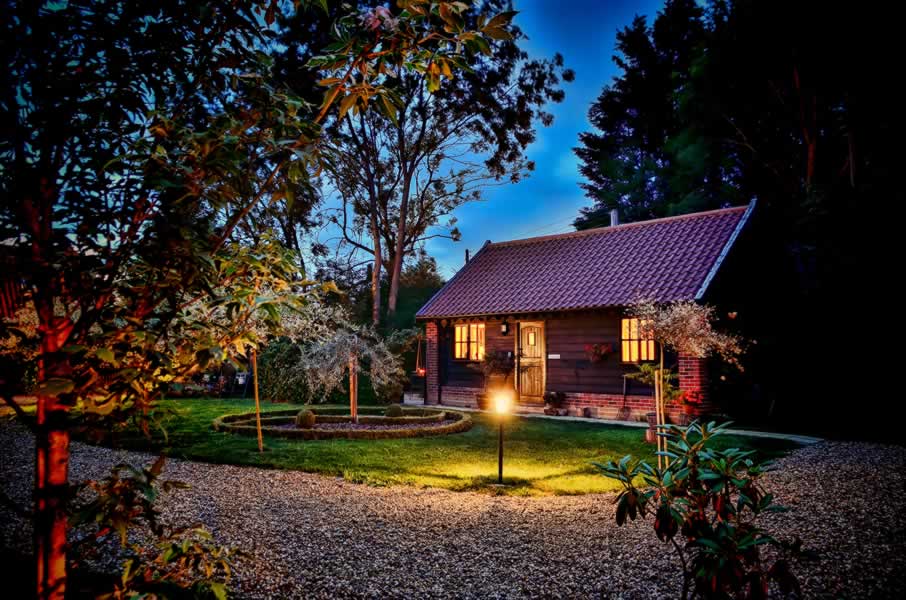
Even the smallest break helps ideas flow again and makes it easier to focus. So if a few minutes away from your desk can lift your energy and clear your head, imagine what a few peaceful days at Woodfarm could do. Taking a break is not a sign of idleness; it’s an investment in how well you live and work.
Related Posts …
 12th April 2025
Avoiding Burnout: When You’re Running on Empty
Feeling overwhelmed or plain old burnt out? Discover the quiet power of a reset break in the Suffolk countryside.
 27th July 2025
Don’t Just Count Down to Your Holiday: Be in It
Don’t just count the days to your break—be fully in it. We help you switch off, slow down, and truly enjoy Suffolk.
 12th April 2025
Headspace After the Storm
A quiet break to breathe again – not to escape, but to rest, reset, and feel safe after life’s heavier moments.
 13th April 2025
Quiet Seasonal Escapes: The Best Time to Take a Break
Take a quiet break before the chaos begins. Book your calm escape and reset before year-end or school holidays hit.
 9th April 2025
Romantic Milestones: A Break That Feels Like a Beginning
A quiet, private Suffolk escape for couples who need time to reconnect. No pressure, just candles, calm, and space to breathe.
 12th April 2025
Dog’s birthday or their ‘Gotcha’ Day
A gentle nudge to mark your dog’s Gotcha Day or birthday with a quiet escape – because they’ve always been there for you.

 Dogs stay FREE