 5th November 2026 (Updated on 5th November 2026)
When Wolves Roamed Suffolk: The Forgotten Wild Animals of East Anglia
By Carl Scott
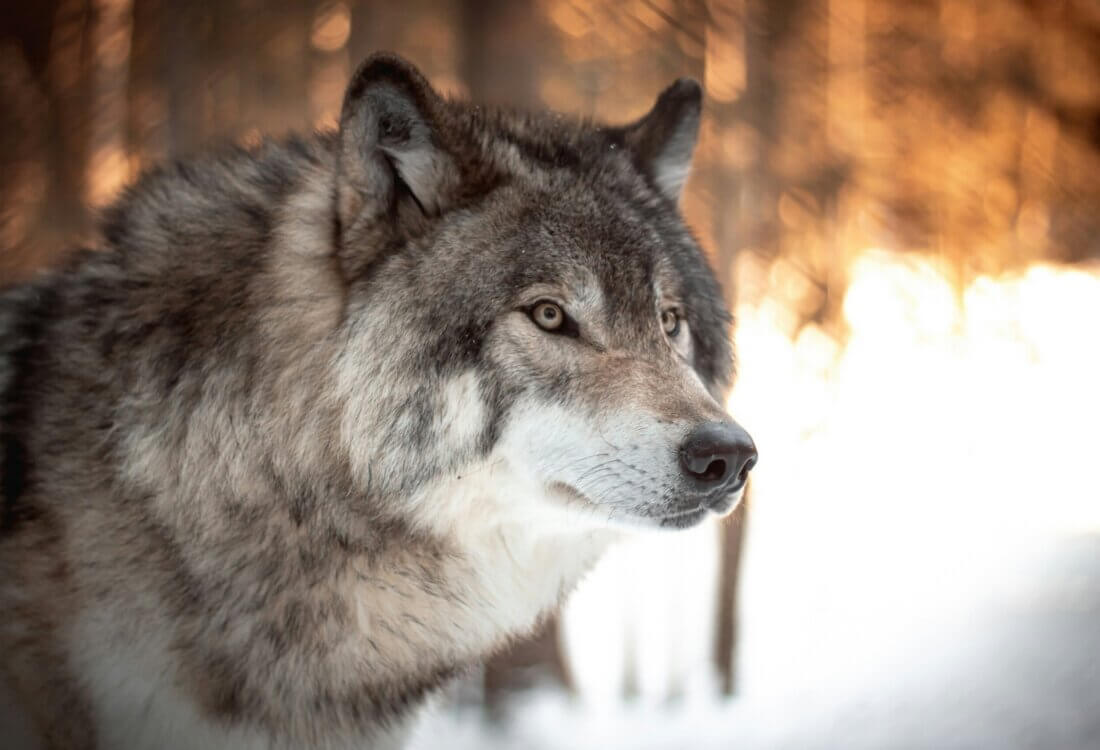
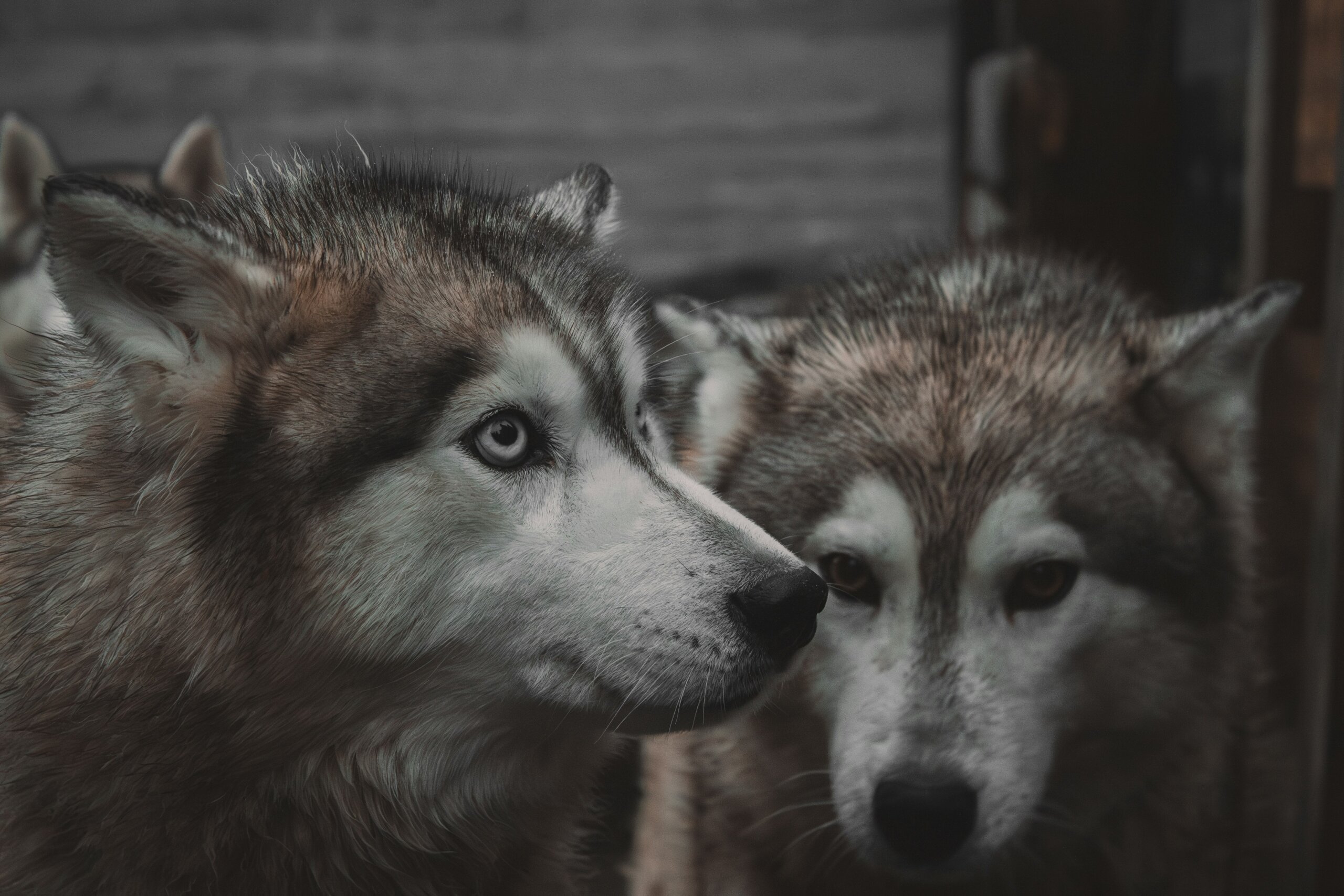
To set the scene for this more leftfield blog, we need to have the reader imagine for themselves what it would be like to be taking the dog for a stroll in Suffolk and spotting a wolf. Not a particularly wolfish-looking husky. An actual wolf. Suddenly, what was once a peaceful country walk, has become a rather different proposition. Yet the animals that once shared our corner of East Anglia would make today’s wildlife spotting look positively tame. So, before we get too comfortable with our picturesque fields that captured the imagination of Constable and the historic towns which inspired Charles Dickens, let’s meet a few former residents. Some had teeth. Quite impressive ones, actually.
It’s well known that wolves lived across Britain for centuries, including East Anglia. They hunted deer and smaller animals, sometimes coming into conflict with farmers protecting their livestock. Their disappearance was gradual, driven by the general transformation of woodland into agricultural land.
The wolf was not the only formidable resident in Suffolk, however.
Wild boar once rooted through English forests, turning over soil in search of food. Their powerful snouts made them excellent woodland gardeners, disturbing the earth and creating opportunities for plants to grow. Hunting and habitat loss eventually removed them from much of their former range.
Then there were beavers. These industrious animals shaped waterways long before people straightened rivers and drained marshes. By building dams and cutting vegetation, beavers created wetlands that supported fish, insects and birds. They were hunted for their fur, meat and castoreum, a substance valued historically for various uses. Their return to parts of Britain today offers a glimpse of an older landscape.
Even the familiar red deer has a complicated history around our parts. Deer were important to medieval hunting culture, but their numbers and distribution changed as forests were enclosed and estates developed. Roe deer, now frequently glimpsed along woodland edges, have also experienced periods of decline and recovery.
It’s quite a thought, though, isn’t it? We tend to imagine the countryside as something permanent, when really its cast of characters has changed enormously. Brought about by changes to farming, river management and woodland cover, there havs been an ever changing cast of birds, insects and mammals. Species that older generations encountered regularly may now be uncommon, while others have returned thanks to conservation work.
The brilliant thing about anyone joining us for a holiday in Suffolk, of course, is how much wildness remains. Listen for owls after sunset, watch for deer at dawn, or look for the unmistakable signs of badgers beside a quiet lane.
To begin discovering this wildlife, as well as the various towns and villages on offer around Suffolk, be sure to take a look the availability of our Barns and Barges for rent today.

 Dogs stay FREE